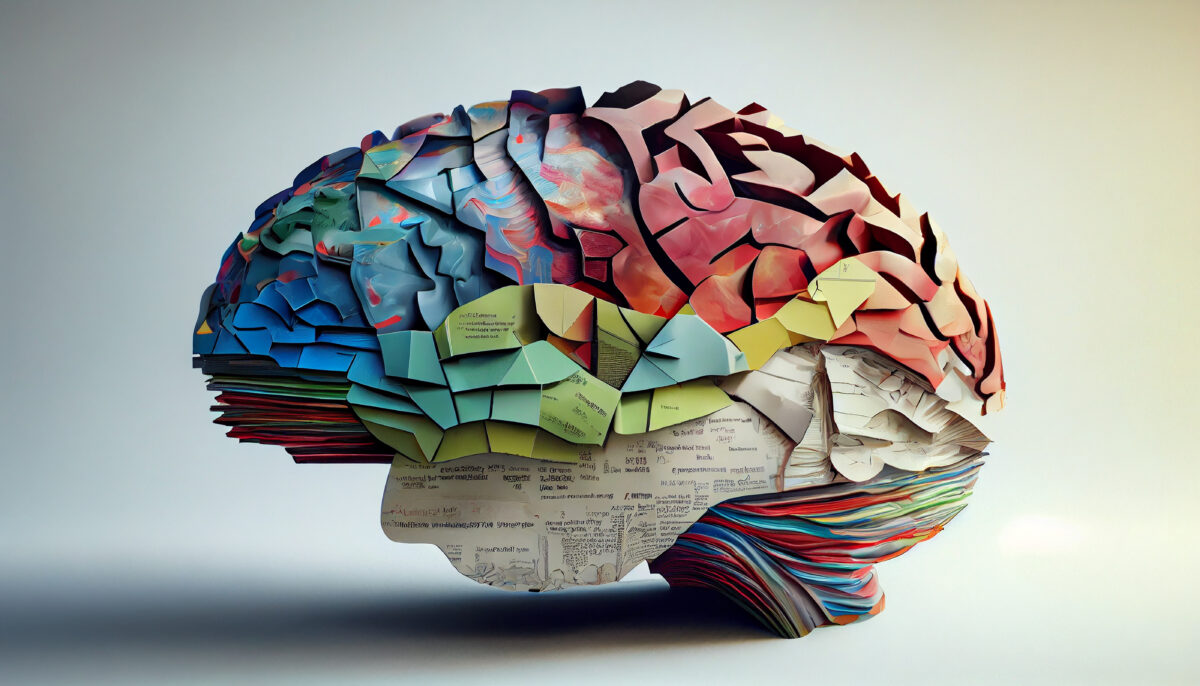
The Bilingual Brain: Why Learning a Second Language is the Ultimate Cognitive Workout
If you are looking for a scientifically proven way to boost your IQ and build a resilient brain, look no further than learning a new language. Linguists and neurologists have long studied the “bilingual advantage,” revealing that navigating two or more languages fundamentally alters the brain’s physical structure and cognitive capabilities.
Learning a language is a rigorous workout for the brain’s executive control system. This system is responsible for directing attention, switching between tasks, and ignoring distractions. Because bilingual individuals constantly inhibit one language while using another, their brains become exceptionally efficient at multitasking and filtering out irrelevant information.
Moreover, this practice profoundly impacts Verbal Comprehension. Exploring the nuances of a new language expands your vocabulary, improves your grasp of abstract concepts, and enhances your ability to articulate complex thoughts—all vital indicators of high intelligence.
Perhaps the most exciting benefit is the concept of “cognitive reserve.” Studies show that the mental gymnastics required for bilingualism can delay the onset of age-related cognitive decline and dementia by up to five years, outperforming many pharmaceutical interventions.
Whether you are 16 or 60, picking up a new language is an investment in your brain’s longevity and an excellent way to unlock your full cognitive potential.